

The short answer. Brazil performs more aesthetic surgical procedures than any country in the world, its surgeons trained the techniques much of the planet now uses, and prices typically run 50–70% below the United States, Canada, the UK and Australia. For the right patient — one who plans properly, chooses a board-certified surgeon, and respects the recovery — travelling to Brazil for cosmetic surgery can be an excellent decision. This guide explains, honestly, how to make it a safe one: what you save, how surgeons here are trained, how to judge safety, how long you actually need to stay before flying home, and why Rio de Janeiro's Zona Sul is one of the most comfortable places in the world to recover.
If you are reading this from abroad, you almost certainly have three questions underneath all the others: Is it any good? Is it safe? And is it worth the trip? I wrote this guide to answer those questions the way I would in a consultation — directly, without overselling, and with the parts most clinics leave out. Cosmetic surgery is real surgery, and travelling for it adds genuine considerations. The goal here is not to convince you to come to Brazil; it is to help you decide well.
Why is Brazil considered a world capital of plastic surgery?
This is not marketing. By the most authoritative measure available — the annual Global Survey published by the International Society of Aesthetic Plastic Surgery (ISAPS) — Brazil performs more aesthetic surgical procedures than any other country on earth. In the 2024 survey, surgeons in Brazil carried out roughly 2.35 million surgical procedures, ahead of the United States, and around 3.1 million procedures in total. Only the United States performs more procedures overall (largely on the strength of non-surgical injectables); when it comes to the operating room, Brazil leads the world.
A few reasons sit behind that number:
- —A genuine medical lineage. Brazil treats aesthetic surgery as a mainstream surgical specialty, not a fringe service. The figure most associated with that is Dr. Ivo Pitanguy, often called the father of modern plastic surgery, who built his school in Rio de Janeiro and trained generations of surgeons — many techniques used routinely around the world today trace back to Brazilian innovation, particularly in body contouring.
- —Scale creates expertise. With roughly 6,500 plastic surgeons and millions of procedures a year, Brazilian surgeons accumulate an unusual volume of hands-on experience, especially in liposuction, breast surgery and body contouring.
- —A culture that takes the work seriously. High domestic demand has built a deep ecosystem of surgeons, anaesthetists, accredited surgical centres and dedicated post-operative care (the lymphatic-drainage culture here is a real thing, and patients feel the difference).
The practical upshot for you: the depth of surgical experience available in Brazil — and in Rio specifically — is among the best in the world. The job is to find the right surgeon within it, which I'll come back to.
Is the Brazilian "look" still the dramatic, exaggerated one?
No — and this matters more than most international patients realise. The aesthetic has shifted, firmly, toward natural, proportionate results. The era of the oversized, obviously-done look — extreme Brazilian Butt Lifts, the largest possible implants, over-filled faces — has been receding worldwide since around 2023. The trade calls it the "great deflation." Patients today, here and abroad, increasingly ask to look like a refined version of themselves, not like someone else.
I mention this for two reasons. First, if your mental image of "surgery in Brazil" is something theatrical, that image is out of date. Modern Brazilian aesthetic surgery is, if anything, a leader in subtlety — high-definition liposuction that sculpts rather than simply removes, fat grafting for natural volume, and breast and facial work designed to be undetectable. Second, it's a question worth asking any surgeon you consult: what is your aesthetic philosophy? The honest, current answer is naturalness and harmony. In my own practice that is the whole point.
There's also a newer driver reshaping who travels and for what: weight-loss medication. GLP-1 drugs like Ozempic, Wegovy and Mounjaro have produced a wave of significant weight loss — and, with it, loose skin and lost facial volume that diet and exercise can't fix. A growing share of body-contouring and facial patients are people finishing a weight-loss journey who want surgery to match. If that's you, you're not unusual, and the procedures that address it (abdominoplasty, body lifts, fat grafting) are exactly what Brazilian surgeons do at high volume.
What are the real advantages of having surgery in Brazil?
Stripped of the brochure language, there are four genuine advantages.
1. Cost. This is, honestly, the main reason most people start looking abroad. For the same procedure, performed by a qualified surgeon, patients commonly pay 50–70% less in Brazil than in the US, Canada, the UK or Australia — and the gap is widest precisely on the high-volume body procedures Brazil specialises in. I'll give indicative numbers below. Two caveats I want to be honest about: a good surgeon in Rio is not the cheapest option in Brazil (and shouldn't be), and the savings narrow once you add flights and accommodation. Price should be a reason you consider Brazil — never the only reason you choose a surgeon.
2. Surgical expertise and volume. As above: you are buying into one of the deepest pools of surgical experience in the world, particularly for liposuction, body contouring, breast surgery and rhinoplasty.
3. A recovery environment people actually enjoy. Recovering from surgery is more pleasant in a warm, calm, beautiful place than in a grey hospital district at home. Rio's Zona Sul — Ipanema, Leblon, Copacabana — is built for exactly this: walkable, comfortable, with the sea a few minutes away for the gentle movement that recovery needs.
4. The whole-journey care model. Serious Brazilian practices that treat international patients build the trip around you: a video consultation before you fly, English-speaking coordination, surgery in an accredited centre, structured post-operative care including lymphatic drainage, and follow-up before you leave. That continuity is part of why outcomes here are good.
How much does cosmetic surgery cost in Brazil?
Below are indicative international-patient ranges in US dollars — useful for planning, not a quote. Your actual price depends on the complexity of your case, the surgeon, the hospital and anaesthesia, and what's bundled in. (I keep a fuller, regularly-updated breakdown in a separate cost guide.)
- —Liposuction (single area / Lipo HD): Brazil $3,000–$7,000 · US equivalent $6,000–$12,000
- —Breast augmentation (implants): Brazil $3,500–$6,000 · US equivalent $8,000–$15,000
- —Rhinoplasty: Brazil $3,500–$7,000 · US equivalent $8,000–$15,000
- —Abdominoplasty (tummy tuck): Brazil $4,500–$8,000 · US equivalent $8,000–$15,000
- —Mommy makeover (combined): Brazil $7,000–$13,000 · US equivalent $15,000–$30,000
- —Eyelid surgery (blepharoplasty): Brazil $2,500–$4,500 · US equivalent $5,000–$9,000
Ranges are illustrative planning figures drawn from international cost comparisons and vary widely by case and surgeon. They are not a price list and not a guarantee. Always obtain a written, personalised quote.
Two budget items people forget: round-trip flights (roughly $800–$1,500 from North America or Europe, often less from within Latin America) and accommodation for your full recovery stay (a comfortable mid-range option in Zona Sul runs roughly $60–$150/night). Build those in honestly before you compare totals.
How are plastic surgeons trained in Brazil — and how do I verify one?
This is the single most important section in this guide, so read it slowly. The word "surgeon" is not a guarantee anywhere in the world, and Brazil is no exception. The good news is that Brazil has a clear, verifiable path to genuine board certification, and it's easy to check.
The training path to a real plastic surgeon in Brazil:
- —Medical school.
- —A residency in general surgery.
- —A further residency in plastic surgery at an accredited service.
- —Passing the written and oral specialist examination of the Sociedade Brasileira de Cirurgia Plástica (SBCP) / Associação Médica Brasileira (AMB).
- —Registration with the Conselho Regional de Medicina (CRM) and an RQE (Registro de Qualificação de Especialista — a specialist-qualification registry number).
That's well over a decade of training. The two credentials you can actually look up are the CRM (the doctor's medical-licence number, verifiable through the regional medical council) and the RQE (which confirms the specialty registration). A legitimate plastic surgeon will display both — I display mine on every page of this site: CRM 52110999 · RQE 46063.
How to verify any surgeon (do this for everyone you consider, including me):
- —Confirm they hold an RQE in plastic surgery, not just a CRM. A CRM alone means "licensed doctor"; the RQE means "qualified specialist."
- —Check SBCP membership. The SBCP is the recognised body of plastic surgery specialists in Brazil; its members commit to operating only in accredited facilities and to a code of ethics. Its "Cirurgião de Confiança" patient-safety guidance exists precisely so you can vet a surgeon.
- —Look for procedure-specific experience. No surgeon does everything equally well — ask how often they perform your procedure.
- —Beware vague titles. "Aesthetic doctor" or "cosmetic specialist" without a verifiable specialist registration is a red flag, here as anywhere.
A credential never removes risk. What it does is dramatically raise the odds that, if something goes wrong, you're in the hands of someone trained to recognise and manage it — operating in a facility equipped for it. That is the real safety advantage, and it's the whole reason this verification step matters more than price.
What are the hospitals and surgical facilities like?
Better than many international patients expect — and very stratified, which is why you check. Brazil's private healthcare sector includes some of Latin America's most advanced hospitals; São Paulo in particular is home to internationally accredited institutions (such as Hospital Israelita Albert Einstein and Hospital Sírio-Libanês). Rio de Janeiro has excellent accredited private hospitals and surgical centres as well.
The principle to hold onto: a qualified Brazilian plastic surgeon operates only in a licensed surgical centre — authorised by health surveillance (ANVISA standards), with proper monitoring, a qualified anaesthesia team, and the equipment and trained staff to handle complications. Surgery performed in unaccredited "clinics" or improvised settings is where the frightening medical-tourism stories almost always originate. When you vet your surgeon, vet the facility too: ask where you'll be operated on, whether it's an accredited hospital or day-surgery centre, who administers your anaesthesia, and what the emergency protocol is. A serious surgeon will answer all of this without hesitation.
Is cosmetic surgery in Brazil safe?
The honest answer has two halves, and I'll give you both.
The surgical-safety half. Cosmetic surgery is real surgery and carries real risks everywhere — bleeding, infection, poor scarring, anaesthetic risk, and, especially relevant to travel, blood clots (deep vein thrombosis and pulmonary embolism). None of that is unique to Brazil. What determines your safety is far more about who operates and where than about the country: a board-certified, SBCP-registered surgeon, operating in an accredited facility, with a qualified anaesthetist and a real follow-up plan. Choose on those criteria and Brazilian surgical care is, candidly, world-class. Choose on price alone, from an unverified "clinic," and the risk rises sharply — that is true in every country with a medical-tourism industry, including the cautionary BBL stories you may have read.
A specific point for travellers: the combination of a recent operation and a long flight raises clot risk. That's manageable — and it's the reason the "how long do I stay" question below isn't optional.
The "is Brazil safe to visit" half. It's a fair question and deserves a straight answer rather than either defensiveness or alarm. Like any large country, Brazil has areas of real concern and areas that are calm, affluent and well-policed. Rio's Zona Sul — Ipanema, Leblon, Copacabana, Botafogo — is the latter. It's the city's most prosperous, most visited, most internationally-oriented district: the neighbourhoods where the good hospitals, the comfortable hotels and the recovery-friendly streets are. As a recovering patient you'll be living a quiet, local rhythm here — short walks, the pharmacy, the beachfront, your follow-up appointments — not seeking out risk. Standard big-city common sense applies (don't flash valuables, use registered taxis or rideshare, keep to the main areas, especially while you're moving slowly post-op). Within those bounds, Zona Sul is a genuinely pleasant and safe place to recover, which is a real part of why I practise in Ipanema.
Why Rio de Janeiro — and Rio vs. São Paulo?
If you've decided on Brazil, the next question is usually which city. Both Rio de Janeiro and São Paulo have excellent surgeons; you can get superb care in either. Here's the honest comparison.
São Paulo is the country's medical and financial powerhouse — home to its most internationally accredited hospitals and an enormous concentration of specialists. If your case is unusually complex or you specifically want a JCI-accredited mega-hospital, São Paulo's depth is unmatched. The trade-offs: it's a vast, intense business city with higher costs, and it is not, frankly, a place anyone chooses to recover — there's no beach to walk on and little reason to be there beyond the surgery itself.
Rio de Janeiro offers, in my view, the better balance for an international aesthetic patient:
- —Cost. Rio generally runs more affordable than São Paulo for comparable surgery — a meaningful difference once you're paying out of pocket.
- —A recovery environment that aids healing. Gentle daily walking is part of good recovery (it reduces clot risk and swelling). Doing that along Ipanema beach beats doing it in a São Paulo office district. The calmer pace genuinely helps.
- —The surgical heritage. Rio is the home of the Pitanguy school — the city has been at the centre of Brazilian plastic surgery for over half a century.
- —It's simply a better place to spend two to four weeks. You're going to be here a while. Recovering somewhere beautiful, warm and walkable is not a frivolous consideration; it's part of the experience and, I'd argue, part of healing well.
The fair summary: choose São Paulo if maximum hospital infrastructure for a complex case is your single priority; choose Rio if you want the same calibre of surgeon at generally lower cost, in a place that's far kinder to recover in. For most aesthetic patients, Rio wins on balance.
How long do I need to stay in Brazil before flying home?
This is the question that derails the most trips when it's answered wrong, so here's a clear, procedure-by-procedure planning guide. Treat these as minimums for planning only. Your surgeon clears you to fly based on your healing — never a calendar, and never a return ticket you can't change.
The reason it matters: a long flight means hours of immobility, dehydration from cabin air, and pressure changes — all of which raise the risk of blood clots (DVT/PE) while your body is still healing. The bigger the procedure, the longer the safe window.
- —Eyelid surgery (blepharoplasty): ~7–14 days. Among the quicker to clear.
- —Rhinoplasty: ~2 weeks. Sinus/pressure sensitivity; splint usually removed first.
- —Breast augmentation: ~2–3 weeks. Often the earlier end if uncomplicated; compression and movement matter.
- —Liposuction / Lipo HD: ~2 weeks. Depends on the number and size of areas treated.
- —Facelift: ~2–4 weeks. Until swelling, bruising and blood pressure are stable.
- —Abdominoplasty (tummy tuck): ~4–6 weeks. Higher DVT risk — surgeons are conservative here.
- —Mommy makeover (combined): ~4–6 weeks. Combined procedures take the longest; plan generously.
Synthesised from plastic-surgery clinical guidance; ranges vary and individual clearance always governs. Long-haul flights warrant the more conservative end.
Plan your trip around the recovery, not the other way around. A realistic structure for a mid-range procedure is: arrive a day or two early for in-person consultation and pre-operative checks → surgery → first post-operative review around days 5–7 → continued local recovery and drainage → final clearance before you fly. Book flexible, changeable flights, because healing doesn't read calendars. And whenever you do fly home, reduce clot risk: wear your compression garments, stay well hydrated, avoid alcohol, and get up to move or do seated leg exercises regularly through the flight.
What should I sort out before I travel?
A good outcome is mostly decided before you board. Work through this checklist:
- —Have a proper consultation first — ideally a video consultation with the actual surgeon (not only a coordinator), where you discuss goals, suitability, risks and a realistic plan. Be wary of anyone who'll book surgery without it.
- —Get your quote and what's included in writing — surgeon's fee, facility, anaesthesia, garments, post-op appointments, and what happens (and what it costs) if a revision or complication arises.
- —Check entry requirements early. Brazil's visa rules for visitors have changed in recent years and differ by nationality. Don't rely on old blog posts: confirm current rules with the Brazilian consulate or official immigration site for your passport, and make sure your permitted stay comfortably covers your full recovery.
- —Arrange travel and medical insurance — and read the fine print. Many standard travel policies exclude elective cosmetic surgery and its complications. Look specifically for cover that addresses your situation, or a dedicated medical-travel policy. This is not optional.
- —Do your pre-departure medical homework. Tell your home doctor your plans. Depending on the procedure you may need blood work, an ECG, or to pause certain medications (and absolutely stop smoking and nicotine well in advance — it badly impairs healing). Carry a summary of your medical history and medications.
- —Plan the practical stay — accommodation near the clinic for your whole recovery (not just a few nights), airport transfers, and ideally a companion for at least the first days after surgery.
- —Have a contingency buffer — a little extra time and budget in case recovery runs longer than hoped. It usually doesn't, but plan as though it might.
What about when I get home?
The trip doesn't end at the airport. Before you leave Brazil, make sure you have: a written summary of exactly what was done (operative details, implants used and their reference numbers if relevant, medications); clear aftercare instructions; and a plan for staying in touch with your surgeon (most of us follow international patients by video). Arrange follow-up with a local doctor at home for routine wound checks and suture removal if needed, and know the warning signs that mean seek care immediately — unusual or one-sided leg swelling or pain, chest pain or breathlessness (possible clot), fever, spreading redness, or unexpected heavy bleeding. Keep wearing compression garments as instructed, keep moving gently, and don't rush back to strenuous activity. Good recovery is patient recovery.
Considering Brazil for your procedure?
If you're weighing cosmetic surgery in Brazil, the best next step is an honest conversation about whether it's right for you — your goals, your candidacy, the realistic options, and a proper plan for the trip and recovery. I offer video consultations for international patients and will tell you plainly if travelling for surgery makes sense in your case.
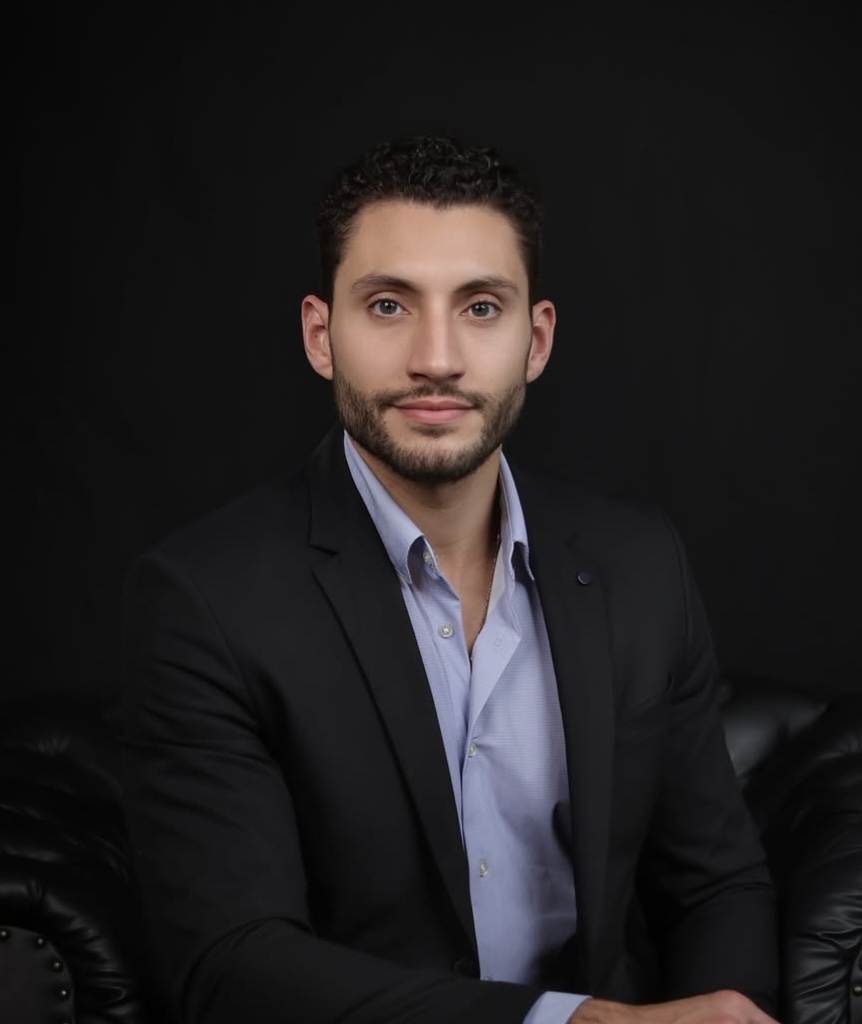
Dr. Roger Domingos · Plastic Surgeon · CRM 52110999 · RQE 46063 · Member, SBCP · Ipanema, Rio de Janeiro · Consultations in Portuguese, English & Spanish.
This article is for general information and education. It is not medical advice and does not create a doctor–patient relationship. Cosmetic surgery carries risks and results vary from person to person; there is no guarantee of any specific result. Any decision about surgery should be made only after an individual consultation and evaluation with a qualified surgeon. Costs, timelines and travel requirements are indicative and change over time — verify current details before relying on them.